Comprehending the Function of a Veterinary Oncologist in Your Family pet's Cancer Care
A vet oncologist concentrates on dealing with and identifying cancer cells in animals. Their know-how is crucial for creating personalized therapy plans that address the special demands of each animal. Early medical diagnosis can greatly impact outcomes, making their role even much more vital. Recognizing the different therapy options and how these experts collaborate with primary veterinarians is essential. What methods do they employ to enhance your pet's high quality of life during this difficult time?
What Is a Vet Oncologist?
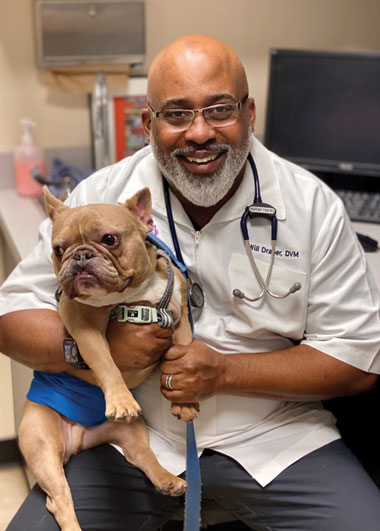
A veterinary oncologist is a specific vet who concentrates on identifying and treating cancer cells in pets. These experts have advanced training in both vet medication and oncology, enabling them to understand the intricacies of malignant illness in animals. Their expertise allows them to do a range of diagnostic treatments, consisting of imaging methods and laboratory tests, to accurately determine various sorts of cancers cells in family pets.
In addition to medical diagnosis, veterinary oncologists create customized therapy plans, which may consist of surgical procedure, chemotherapy, radiation treatment, or palliative treatment. They work closely with family pet proprietors to clarify treatment options and potential end results, ensuring that family members make notified choices regarding their pets' treatment. Vet oncologists typically team up with other veterinary experts and basic professionals, developing an extensive method to pet dog wellness. By concentrating on cancer treatment, they play a critical function in enhancing the lifestyle for pet dogs detected with hatreds.
The Relevance of Very Early Diagnosis and Treatment
Early diagnosis and treatment of cancer in pet dogs greatly improve the possibilities of effective results and boosted top quality of life. When cancer cells is determined in its beginning, veterinary oncologists can carry out targeted treatments that may reduce illness development and reduce signs. This positive strategy permits better monitoring of the disease, possibly resulting in longer survival times and enhanced convenience for the pet.
Additionally, very early detection typically means that therapy options may be less intrusive and much more efficient, minimizing the total worry on both the family pet and its owner. Routine veterinary exams and understanding of subtle behavioral changes are vital, as they can promote timely medical diagnoses. Owners need to continue to be watchful and consult their veterinarian at the first indicator of concern. Veterinary Oncologist. Inevitably, a very early medical diagnosis equips family pet proprietors to make enlightened decisions regarding their animal's treatment, considerably impacting the total journey through cancer cells administration
Therapy Alternatives Offered by Veterinary Oncologists
When encountered with a cancer medical diagnosis, pet dog proprietors can check out a variety of therapy options provided by vet oncologists that are customized to the certain requirements of their pets. These experts normally use a combination of surgical treatment, chemotherapy, radiation therapy, and immunotherapy. Surgical intervention may intend to remove tumors or impacted cells, while chemotherapy uses medicines to target and kill cancer cells, often administered in cycles.
Radiation therapy concentrates on utilizing high-energy rays to relieve and shrink lumps pain. Immunotherapy, a much more recent innovation, uses the pet's immune system to eliminate cancer better. Extra encouraging treatments, such as pain monitoring, dietary support, and palliative care, are also necessary elements of a complete therapy plan. By examining each instance separately, veterinary oncologists assure that the picked treatment lines up with the pet dog's overall wellness and cancer type, making the most of the possibilities of a favorable end result.
The Collaborative Technique: Collaborating With Your Primary Veterinarian
Collaboration between veterinary oncologists and key veterinarians is important for supplying substantial care to pets detected with cancer. This partnership assures a thorough strategy to treatment, combining the specialized understanding of oncologists with the continuous care news given by main vets. Together, they assess the pet dog's health and wellness, establish individualized therapy strategies, and keep an eye on the pet dog's progress throughout the cancer cells trip.
Key vets usually function as the initial point of get in touch with, recognizing prospective indications of cancer cells and referring people to oncologists for specialized diagnostics and therapy options. Adhering to the oncologist's suggestions, the main veterinarian plays a vital role in managing the pet dog's total health, consisting of pain management and helpful treatment.
Reliable communication in between these experts fosters a unified strategy, enabling prompt interventions and adjustments to treatment as needed. This collective approach inevitably enhances the quality of care and assistance for animals and their proprietors throughout a difficult time.

Sustaining Your Animal With Cancer Cells Care
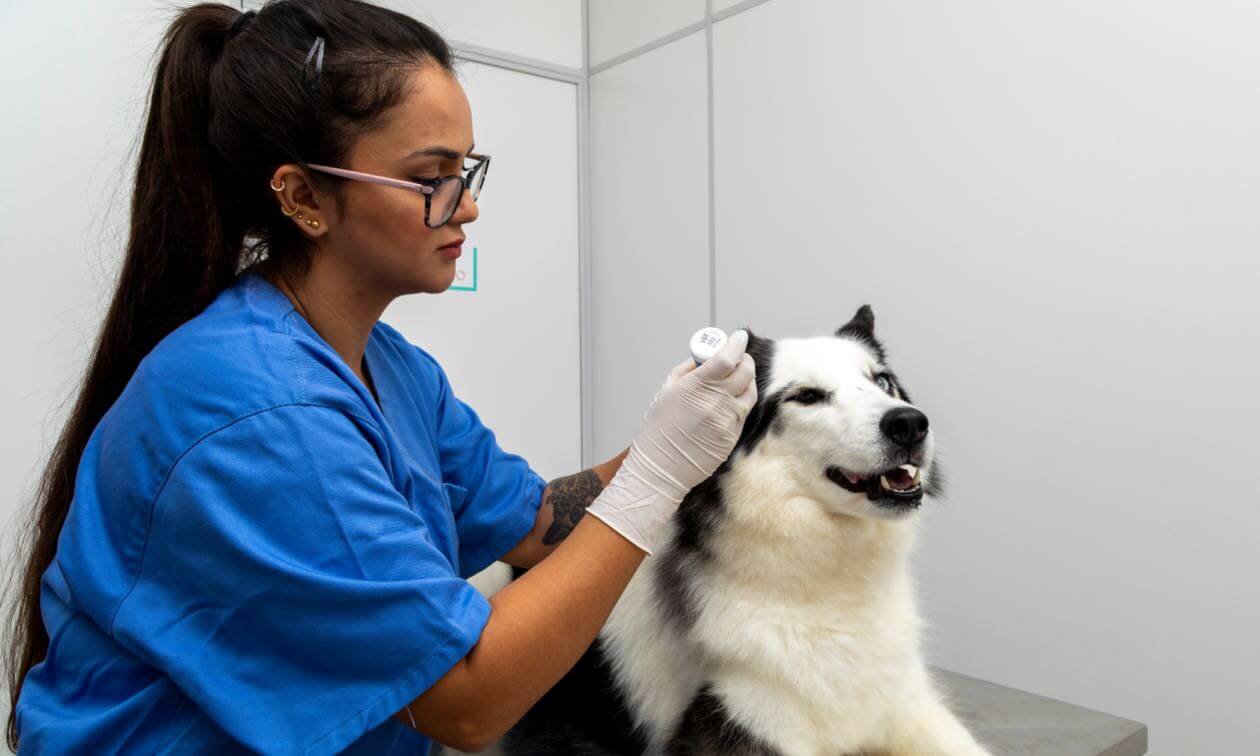
Supporting a family pet via cancer cells care needs a detailed understanding of the psychological and physical difficulties dealt with by both the pet and its owner. Caregivers must listen to the pet dog's changing needs, which may consist of managing discomfort, adjusting diet regimens, and checking negative effects from treatments. Offering a comfy, worry-free setting is necessary for the pet dog's wellness.
Psychological support is equally essential; proprietors must seek to continue to be favorable and involved while understanding their own feelings of anxiousness and sadness. Producing an assistance network, consisting of try these out vets, family, and friends, can relieve some worries.
Additionally, family pet proprietors should educate themselves about the specific sort of cancer and therapy options available, cultivating notified conversations with vet oncologists. Eventually, a caring strategy, incorporated with positive treatment and support, can improve the family pet's lifestyle throughout this tough trip.
Regularly Asked Concerns
Just how Do I Select the Right Vet Oncologist for My Family pet?
Selecting the appropriate vet oncologist includes looking into certifications, looking for recommendations, reviewing experience with certain cancers, gauging communication styles, and going to clinics to ensure a comfy environment for both the animal and owner throughout treatment.
What Should I Anticipate Throughout the First Consultation?
During the very first visit, the animal owner can expect a thorough evaluation, discussion of case history, diagnostic examinations, and a treatment plan outline. The vet will certainly address issues and supply support for recurring care.
Are There Any Type Of Prices Connected With a Vet Oncologist's Solutions?
Costs connected with a veterinary oncologist's services can vary significantly based upon area, treatment intricacy, and needed diagnostics. Pet Cancer Surgery. Pet dog owners ought to anticipate expenditures for appointments, examinations, and prospective ongoing treatment plans tailored to their animals' needs
Can My Animal Still Receive Regular Vet Treatment While Seeing an Oncologist?
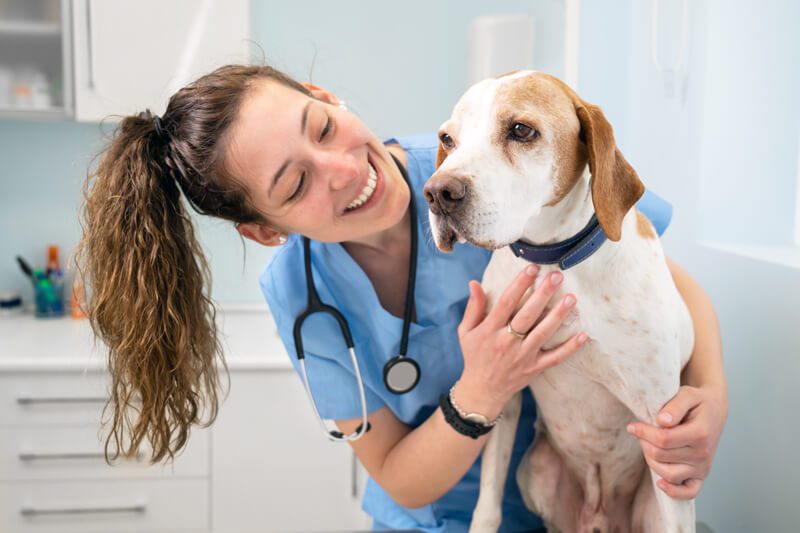
Pets can get normal vet treatment while seeing an oncologist. Collaborating therapies warranties thorough health and wellness monitoring. Normal exams enhance specialized cancer care, permitting for all natural tracking of the pet's overall well-being and attending to other health worries.
What Resources Are Readily Available for Family Pet Owners Throughout Their Family pet's Cancer cells Journey?
Various resources are available for pet proprietors steering their animal's cancer cells journey, including support system, online forums, educational web sites, and financial aid programs, all targeted at giving support, emotional assistance, and practical info throughout this tough time.
A veterinary oncologist is a specific veterinarian who concentrates on diagnosing and treating cancer cells in over here pet dogs. They function carefully with pet proprietors to describe therapy choices and potential results, guaranteeing that households make educated decisions concerning their pets' care. When faced with a cancer cells medical diagnosis, animal proprietors can discover a selection of therapy choices provided by vet oncologists that are customized to the specific needs of their animals. Partnership between veterinary oncologists and primary veterinarians is essential for giving substantial treatment to animals detected with cancer cells. In addition, family pet proprietors should inform themselves about the specific type of cancer and therapy options available, promoting educated conversations with vet oncologists.